


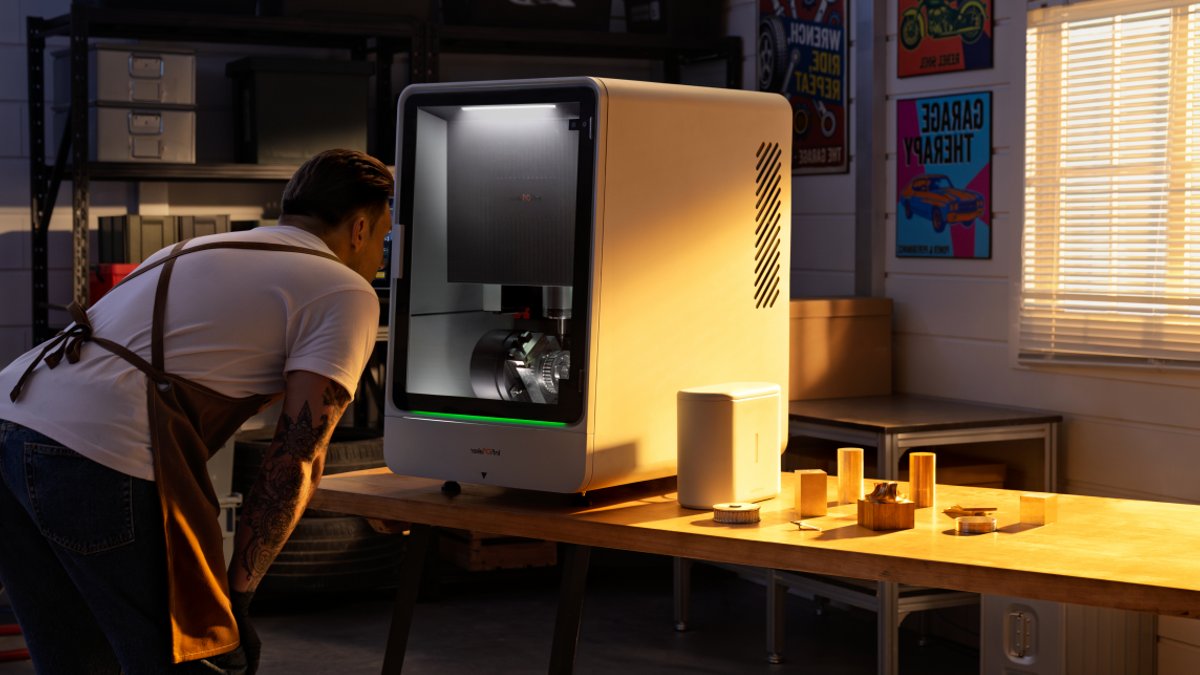
InfiMaker, a startup launched in 2024, is positioning its K1 machine as a new entry point for desktop manufacturing, aiming to bring five‑axis CNC capability to a workbench rather than a factory floor.
From 3‑Axis to 5‑Axis: A Different Approach
Most compact CNC devices on the market stick to three‑axis operation, a configuration that limits the complexity of parts they can produce. InfiMaker chose to skip that crowded segment and introduced the K1, a five‑axis machine that promises industrial‑grade precision in a form factor that fits on a desk.
Founder and CEO Bowen Xie explained that simply adding another three‑axis unit would not change the user experience. He said the real hurdle for broader adoption of five‑axis machining is the software and expertise required, not the hardware itself.
Traditional five‑axis systems are expensive and demand deep knowledge of CAM (computer‑aided manufacturing) software, machining parameters, and toolpath creation. Those barriers keep the technology out of reach for many engineers, designers, and hobbyists.
AI‑Driven Software Aims to Simplify the Workflow
InfiMaker’s in‑house CAM program, InfiStudio, integrates AI to generate machining parameters and suggest strategies automatically. The software also offers material‑specific presets and step‑by‑step guidance, reducing the amount of manual setup a user must perform.
For artistic projects, users can upload an image, let the AI create a 3‑D model, and then proceed directly to machining. For functional parts, CAD files are imported, reviewed against AI‑recommended settings, and turned into toolpaths without the need for deep CAM knowledge.
One built‑in camera reads material tags, automatically selecting the appropriate cutting profile. This feature cuts configuration time and helps users move from design to finished part more quickly.
Related: CASETiFY releases Galaxy Z8 phone accessories
“We’re not just trying to build a CNC machine with a more powerful spindle,” Xie told TechNode. “We’re trying to shorten the distance between a CAD model and the final machined part.” The emphasis is on software automation rather than raw hardware specs.
The company believes the next competitive edge in manufacturing will hinge on how easy a system is to use, not just on speed or torque. While AI won’t replace seasoned engineers, it can lower the knowledge threshold, opening advanced machining to a broader audience.
Looking ahead, the vision is ambitious: a single person at a desk could, in theory, run a whole mini‑factory. That notion rests on the idea that AI‑assisted workflows can handle many of the decisions traditionally made by specialists. If the technology lives up to its promise, it could reshape where and how new parts are prototyped.
Market Focus and Future Plans
InfiMaker is concentrating its efforts on North America and Europe, regions with established maker communities and a clear demand for productivity tools. The company plans to grow its user base by building communities and incorporating feedback into subsequent product iterations.
As AI becomes more embedded in industrial software, the emphasis appears to be shifting from purely boosting machine specs to streamlining the entire manufacturing process. InfiMaker’s strategy reflects that trend, seeking to blend hardware, software, and AI into a cohesive desktop solution.
Whether the K1 can deliver on its promise remains to be seen, but the company’s focus on reducing complexity suggests a realistic path forward. If the integration of AI and automation proves effective, the desktop could indeed become a miniature production hub for engineers and creators worldwide.

